[Started 15.x.25]
“Mortality” and “morbidity” were key words in 1984 when I was about to train to be a consultant in “community medicine” (now “public health medicine”). I resigned myself not unhappily to spending three years getting “a membership” in psychiatry knowing I couldn’t do three years of any other then medical speciality. Three weeks into that I knew I wanted to spend the rest of my employable working life in psychiatry, specifically learning (lifelong) about being a psychotherapist and researching psychotherapy. That was my lucky route through medical psychotherapy to where I am now.
In case anyone doesn’t know morbidity is poor health and mortality is death! A public health specialist’s job, at its simplest, is to try to optimise both for communities: the focus is statistical, epidemiological and at distance interpersonally from those who are ill, suffering or dying. Though all health care workers should have at least some of that public health perspective, most of us deal with things one person at a time.
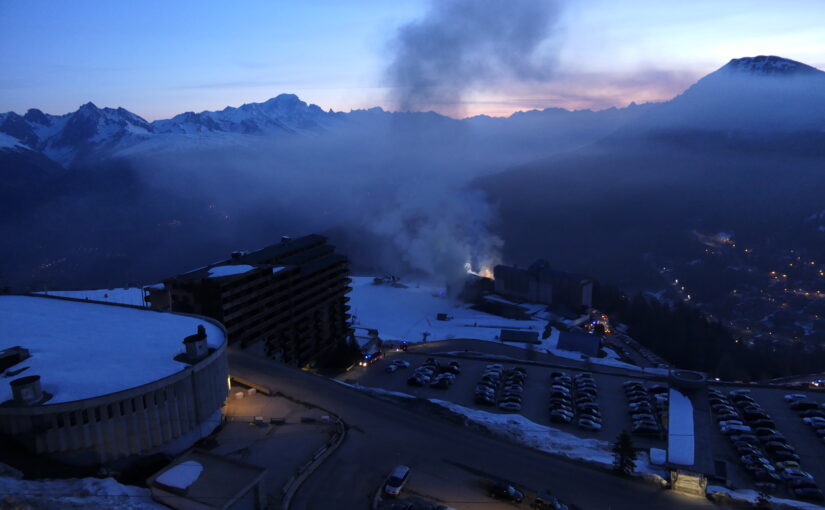
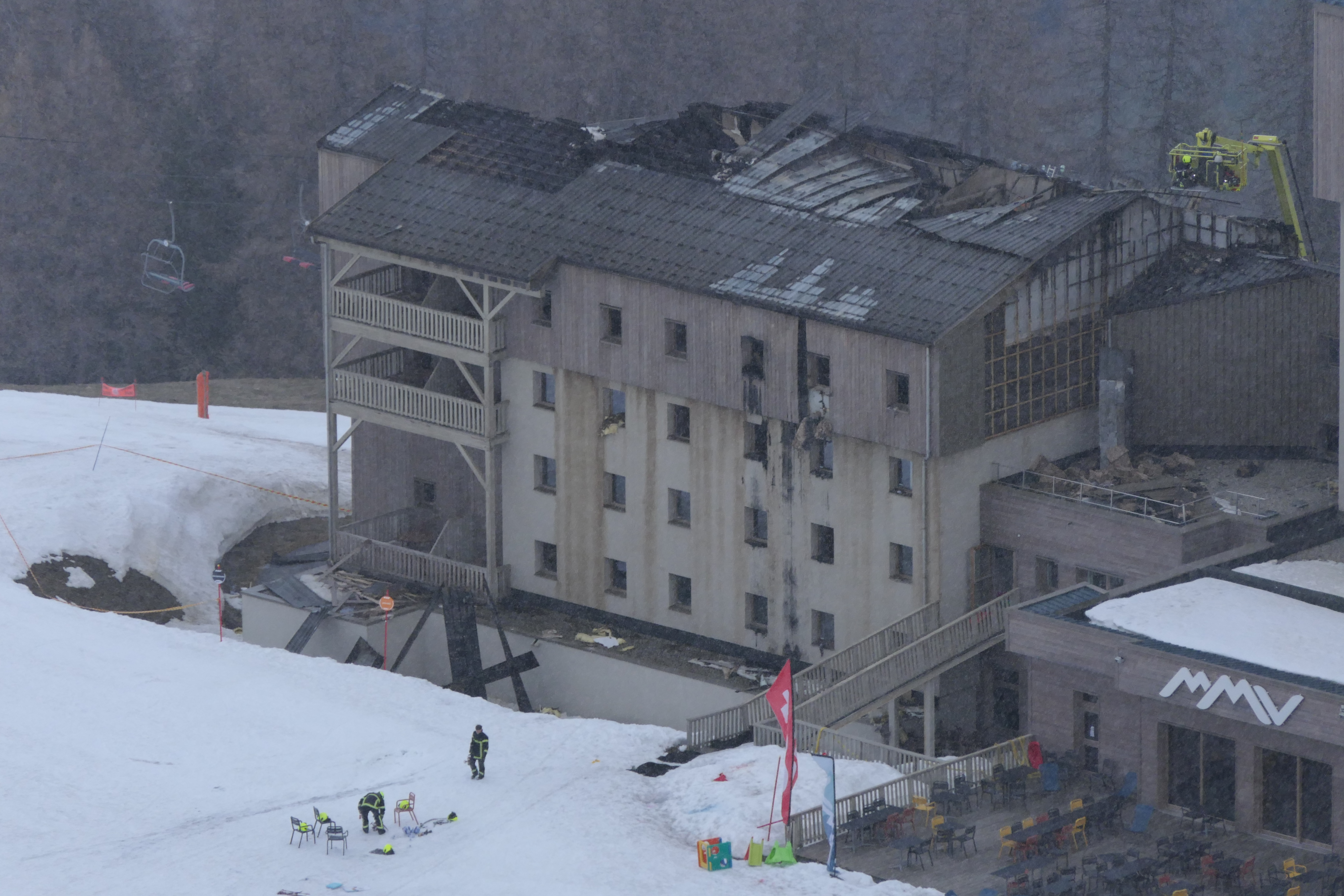
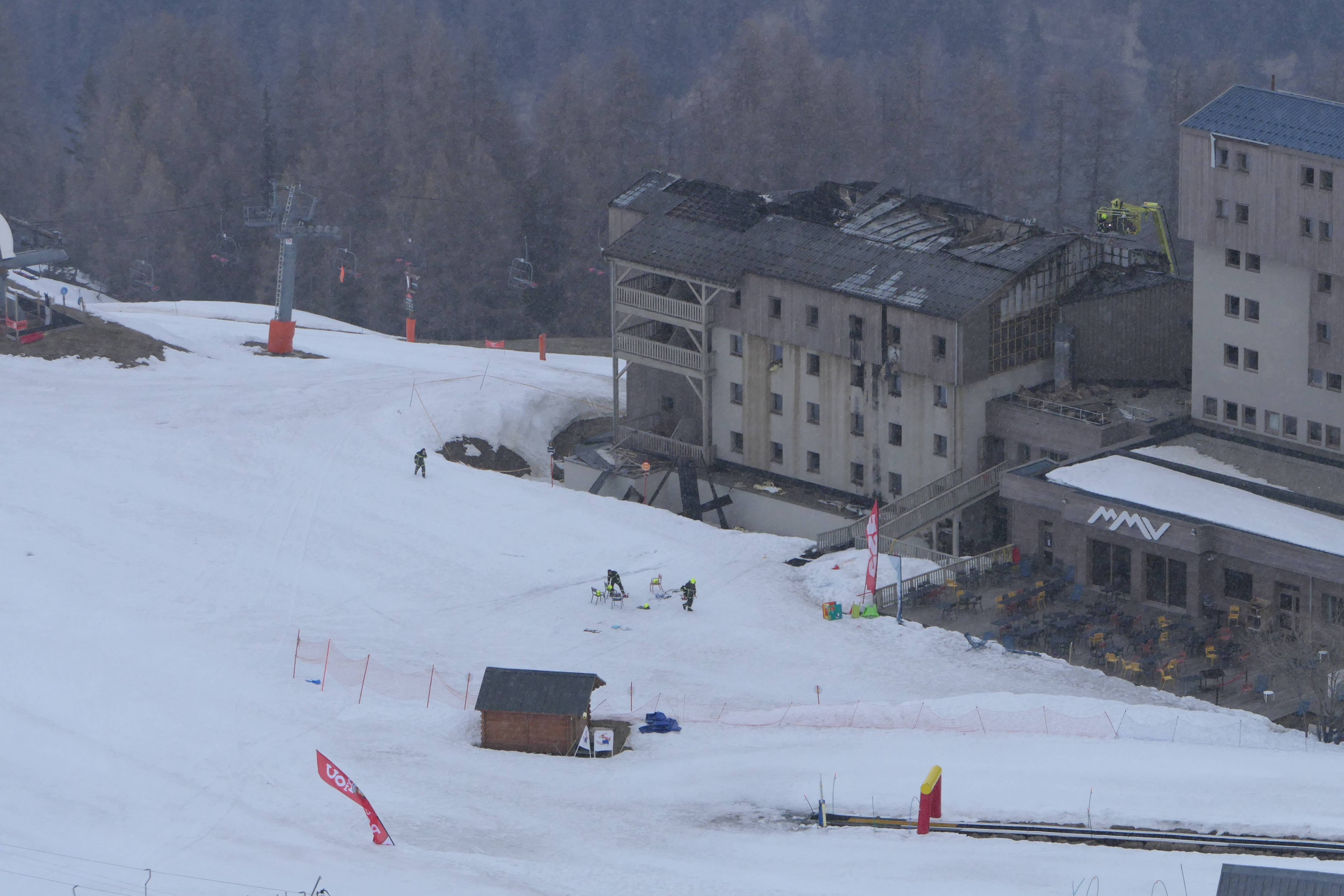
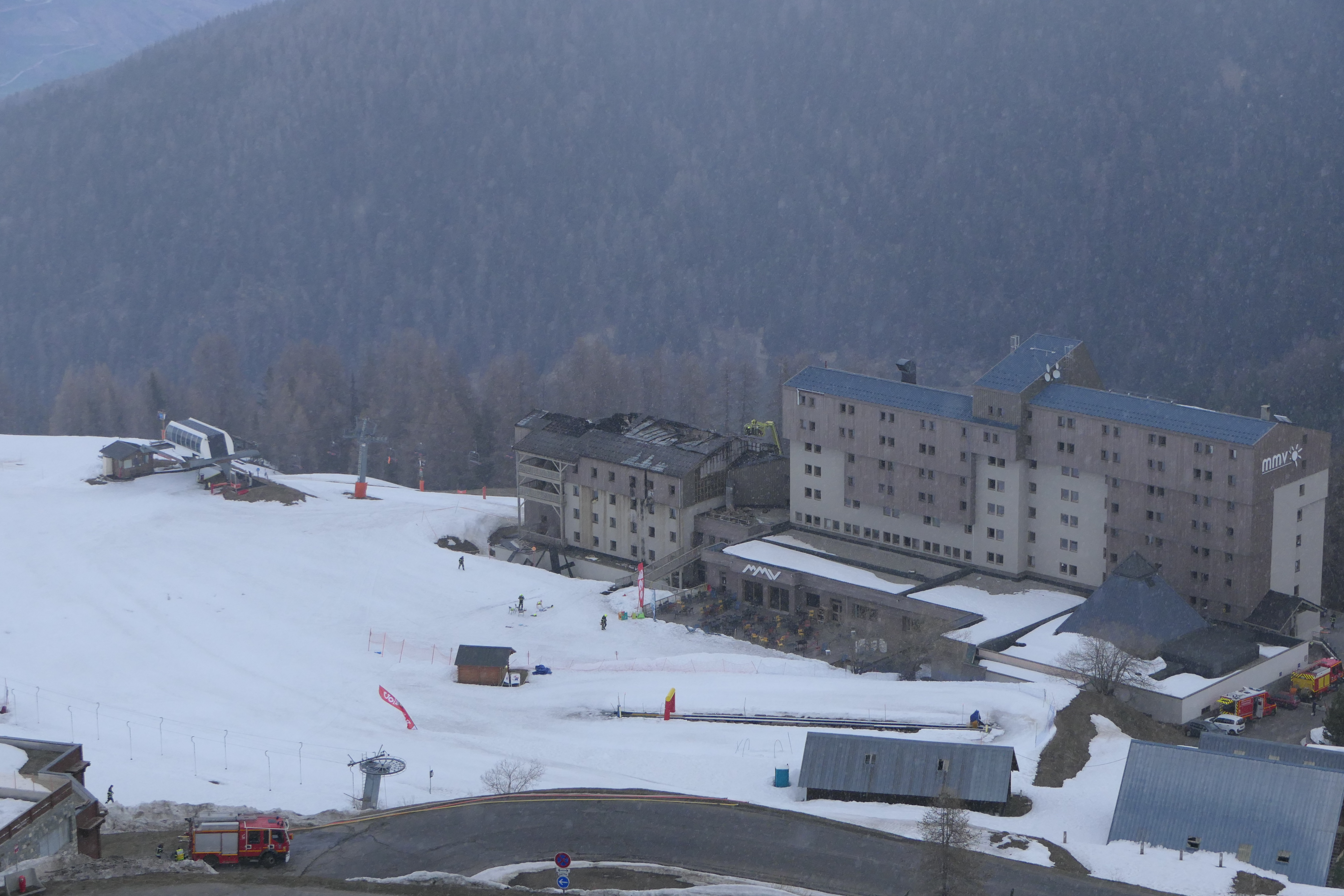
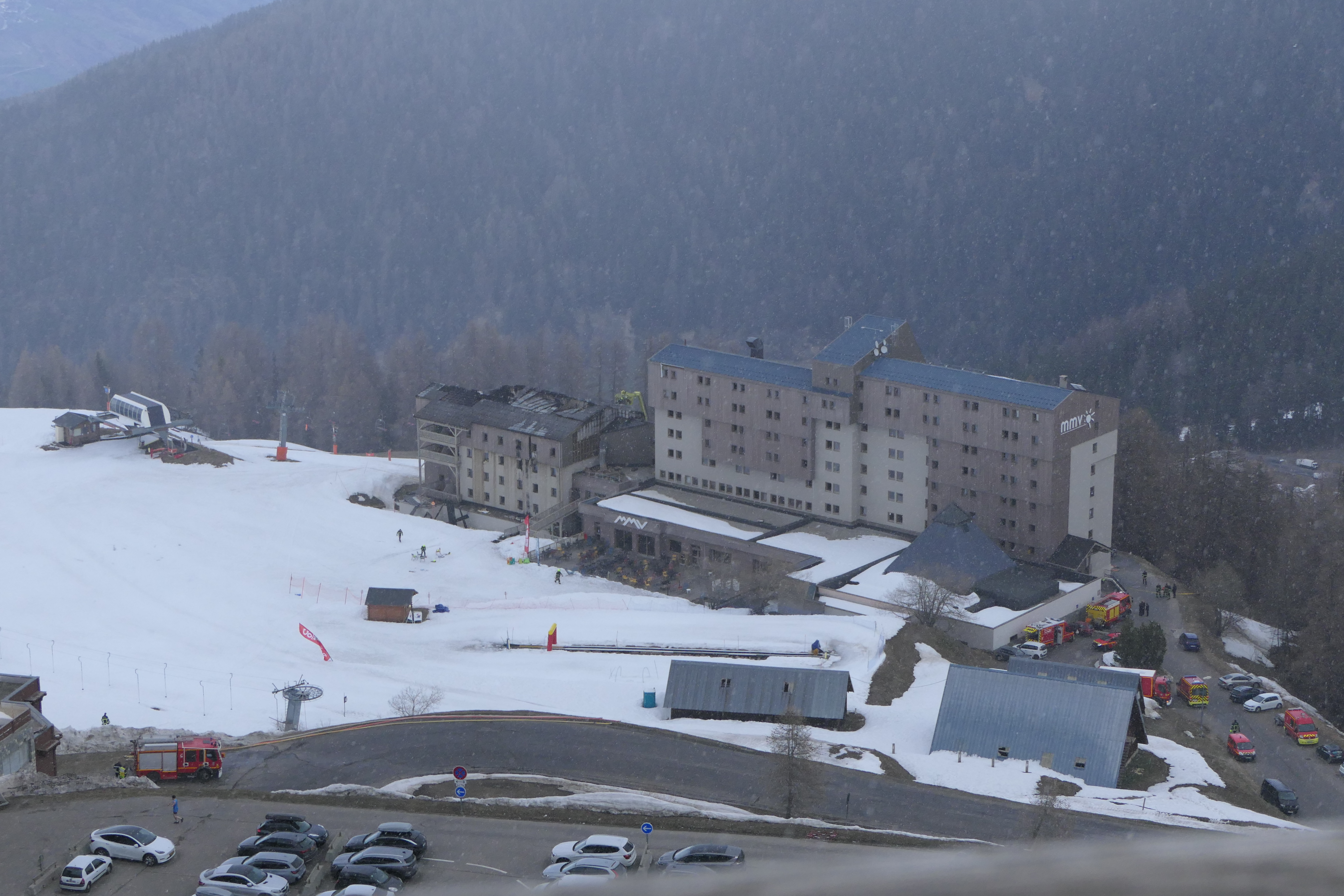
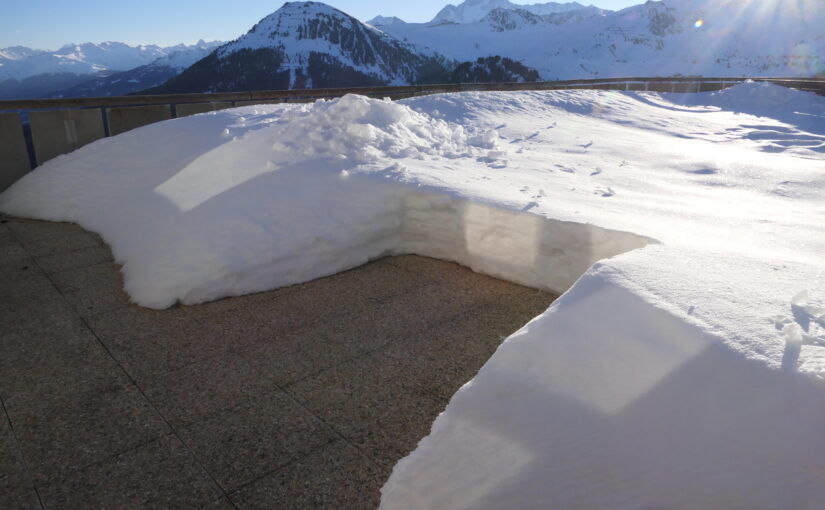
My last blog post here, hm, back in July, looks dramatic and I was impressed that no-one died or, as far as I can see, was seriously injured. When I was back up in the Alps since then the roof of that building had been repaired and, as far as I can find from the internet the fire left no lasting morbidity despite five treated for smoke inhalation by the sound of it. Hooray.
I found this post: Surviving the fire in la plagne Aime 2000 which gives a personal, i.e. a one-person-at-a-time report of the experience. Interestingly, the themes in the thread that follows the very brief report are really public health ones: about taking our own responsibility for checking fire escape routes and building owners’ obligations to provide good fire alarms and exits. The most effective bit of mandatory training I ever had in my NHS career was an early fire training one when I was working in Rampton. It started with the BBC news footage from the day of the Bradford City stadium fire and went on to lots of very practical advice mostly about our fire safety outside work. I bought a fire blanket for our kitchen that weekend I think, though I confess that it’s not hanging up exactly where it should be.
So I am not as good as I should be at personal responsibility for my own and others’ safety, for morbidity and mortality but why am I writing about this now? Simple answer at some level is that my mother died last month … and then a young family member was diagnosed with diabetes. So those are my mortality and morbidity themes. I will try not to bang on now, we’re all metabolising all of it. However, I am trying to put this post together, to get those facts out there, but just now I’ll take a step back and look at how those facts touch the “individual, statistical and … relational” clause in the post title. I think that “individual, statistical and … relational” has been my preoccupation since 1984 and that route change from public health to psychotherapy.
When I gave up the community/public health career route I knew that I wanted to spend the rest of my employable life delivering psychotherapies and researching them. One element of that choice was about realising it really would be a challenge for however long I stayed in it: I thought, and still do, that there will never be definitive truths about optimal psychotherapies. I knew that I was going from the statistical and impersonal, or depersonalised, to the more individual and emotional, relational realms. However, I didn’t really see that that is precisely why we can always find better thinking about psychotherapies but never “solve it”.
Of course, the challenges of trying to hold together statistical, epidemiological, communal thinking, which continues to matter to me, with the personal and relational, including personal responsibility are non-trivial and I have blundered around with those for the last 41 years. After a few years, probably 1987/8 that I realised that I was relinquishing my adolescent rebellion of being the only “natural scientist” in the family, and moving more into languages and literature that were my mother’s realm and also into history, economic but also oral, that were my father’s realms.
So now?!
So at a personal level I miss my mother who made it to 94 and was a miraculous 13 year on survivor of resection of a then clearly terminal oesophageal carcinoma and had who had been an extraordinary woman exceeding in many areas though never managing any real pride in them. I am upset and concerned for my 97 year old father, like my mother a remarkable person who is now on his own after 72 years of marriage. I am also sad and pragmatically concerned for my young relative: medicine and technology really have transformed the management of type I diabetes since my medical days, but it’s still not a morbidity one wishes on anyone. Mind you, spending my first day with him since the news impressed on me that he’s going to motor on!
In that last paragraph I first typed “transformed diabetes care” to the more precise “management of type I diabetes” and that seems to catch something that has run through my last 41 years: care with management (and shared management) versus management without real caring, without interpersonal relatedness. I am enormously grateful for the amazing surgical achievements that gave my mother 12 more years than she would have had and for the incredible developments in technology to manage diabetes. However, I have worked with increasing fear that as we do see amazing progress in health care technologies and skills we are increasingly substituting management for care. I left the NHS as my own area, mental health care, seemed to me to have lost much if any real caring for staff or for any but the most “manageable” clients in the rush to reduce costs through managerialism.
Thank heavens that my young relative seems to have a paediatric diabetology team who seem to understand caring and the personal and relational. I pray that will continue. Enough for now.